
Starting Your Journey in Mindfulness Meditation for Beginners

Embarking on the path of mindfulness meditation feels like stepping into a gentle stream of calm. You may find yourself drawn to the quiet moments where your breath and thoughts meet. This journey invites you to slow down, to listen deeply, and to embrace the present with open arms. It is a tender practice that nurtures your inner peace and helps you live with intention and harmony.
Embracing Mindfulness Meditation for Beginners
Mindfulness meditation is a simple yet profound way to connect with yourself. It asks you to pay attention to the here and now, without judgment or distraction. As you begin, you might wonder how to start or what to expect. The beauty lies in its accessibility - you do not need special skills or a perfect setting. Just a willingness to be present.
To begin, find a quiet spot where you feel comfortable. Sit or lie down in a relaxed posture. Close your eyes gently and bring your attention to your breath. Notice the rise and fall of your chest or the cool air entering your nostrils. When your mind wanders, as it naturally will, gently guide it back to your breath. This simple act of returning is the heart of mindfulness.
You can start with just five minutes a day and gradually increase the time as you feel more at ease. Consistency is more important than duration. Even a few mindful breaths can anchor you in moments of stress or overwhelm.
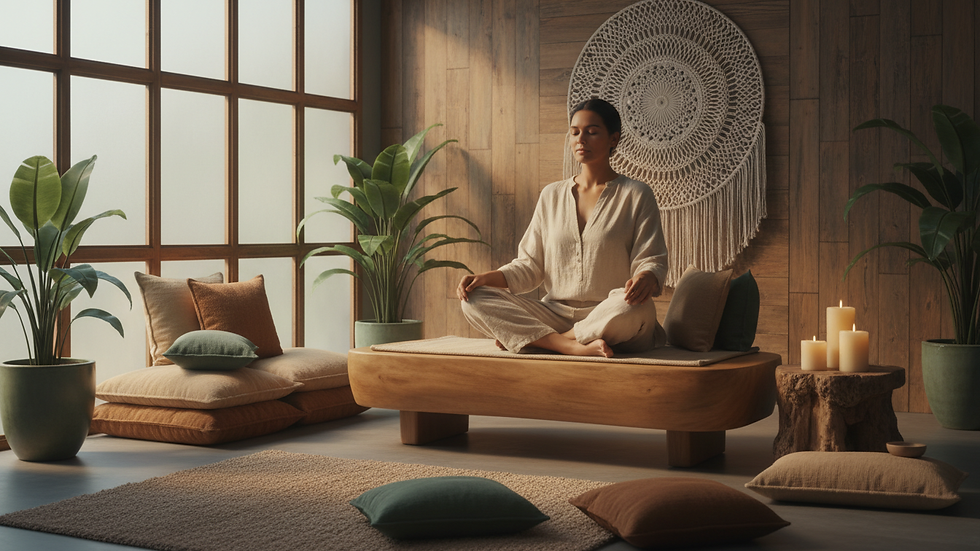
Here are some gentle tips to support your practice:
Set a regular time: Morning or evening works well for many.
Create a sacred space: A small corner with a cushion, candle, or plant can invite calm.
Use guided meditations: Especially helpful when starting out.
Be patient and kind: Your mind will wander; this is natural and part of the process.
If you want a deeper dive, consider exploring a beginners guide to mindfulness meditation for more structured support.
Can Meditation Help with Cortisol?
Cortisol, often called the stress hormone, plays a vital role in your body's response to challenges. When stress lingers, cortisol levels can rise, leading to feelings of tension, fatigue, and even health issues. Mindfulness meditation offers a gentle way to soothe this internal storm.
Research shows that regular meditation can help lower cortisol levels by calming the nervous system. When you focus on your breath and body sensations, your mind shifts from a state of alertness to relaxation. This shift signals your body to reduce cortisol production.
Imagine your mind as a lake. When the wind blows, the surface ripples with waves of stress. Meditation is like the gentle hand that stills the water, allowing clarity and peace to emerge beneath.
To experience this calming effect, try these simple practices:
Body scan meditation: Slowly bring attention to each part of your body, releasing tension.
Breath awareness: Focus on the natural rhythm of your breathing.
Loving-kindness meditation: Cultivate feelings of warmth and compassion towards yourself.
Even a few minutes daily can create a ripple of calm that extends beyond your meditation cushion.

Cultivating Mindfulness in Daily Life
Mindfulness is not confined to your meditation sessions. It gently weaves into your everyday moments, transforming the ordinary into the extraordinary. You can invite mindfulness into your day with simple, intentional acts.
Try these approachable ways to bring mindfulness into your routine:
Mindful eating: Savor each bite, noticing flavors, textures, and smells.
Walking meditation: Feel your feet touching the ground, the rhythm of your steps.
Mindful listening: Give your full attention to sounds around you without judgment.
Pause and breathe: Take a few deep breaths before responding to emails or conversations.
These small moments of presence help you stay grounded and connected, even amid a busy day.
Overcoming Common Challenges in Meditation
Starting a meditation practice can feel both inviting and challenging. You might notice restlessness, a busy mind, or doubts about whether you are "doing it right." These experiences are part of the journey and offer opportunities for gentle self-compassion.
Here are some ways to navigate common hurdles:
Restlessness: Try shorter sessions or incorporate gentle movement like yoga before sitting.
Busy mind: Use a mantra or focus on counting breaths to anchor your attention.
Doubt: Remember, meditation is not about perfection but presence. Every moment you return to your breath is a success.
Discomfort: Adjust your posture or use cushions to support your body comfortably.
Approach these challenges as invitations to deepen your kindness towards yourself. Each step you take is a step closer to inner peace.
Nurturing Your Practice with Intention and Patience
Mindfulness meditation is a lifelong companion, growing and evolving with you. As you nurture your practice, you may notice subtle shifts - a calmer mind, a softer heart, a clearer sense of purpose.
Set gentle intentions for your practice. Perhaps you wish to cultivate patience, reduce anxiety, or simply enjoy moments of stillness. Revisit these intentions regularly to keep your practice aligned with your inner needs.
Remember, meditation is a gift you give yourself. It is a quiet sanctuary where you can return anytime, no matter what the day brings.
May your journey in mindfulness meditation be filled with gentle discoveries and peaceful moments.
Comments